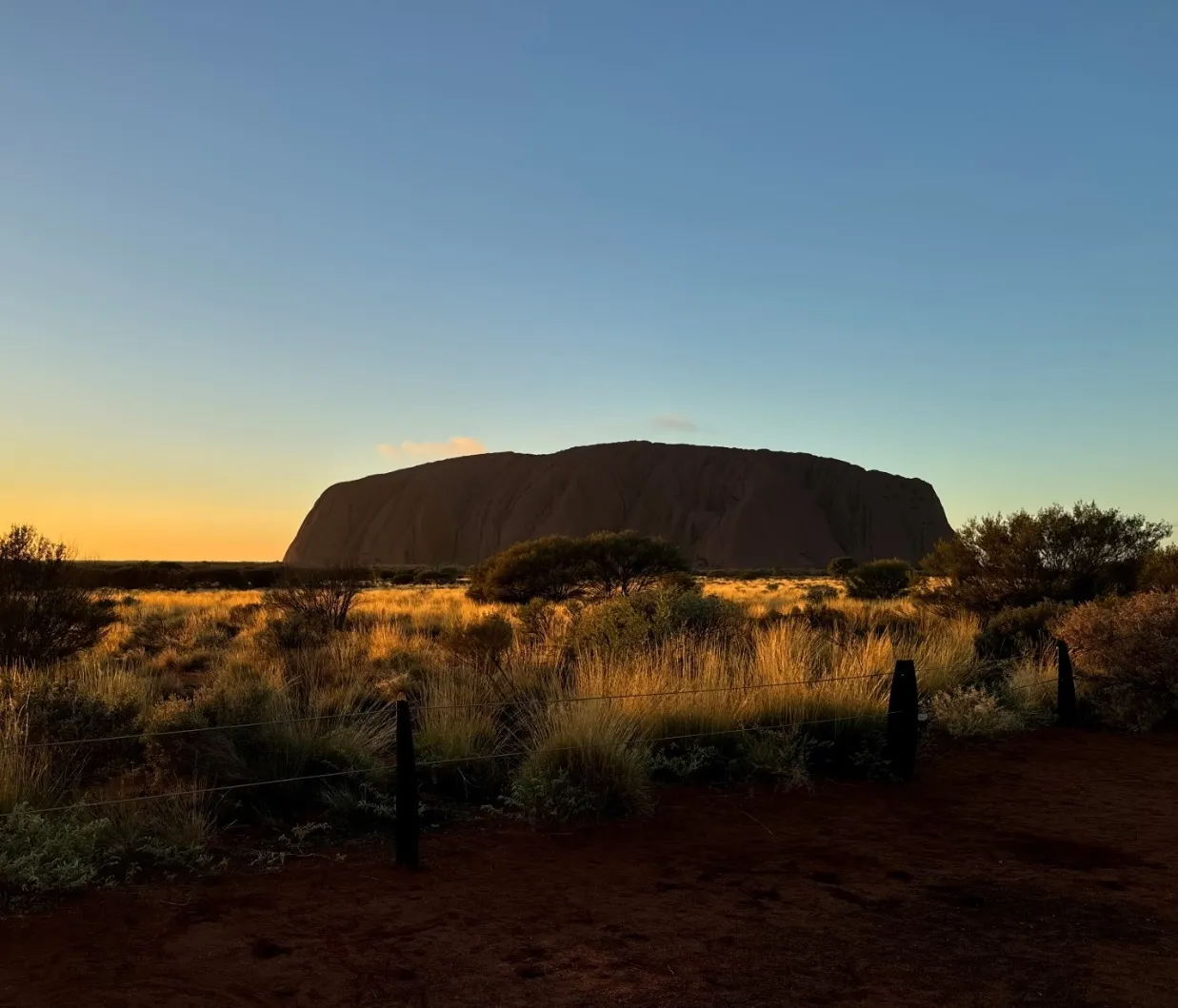
To go by myself to Uluru, found in Australia’s red centre, is a unique journey that offers introspection. With the vast Australian outback spreading ahead of you and with no one else around, this solitary venture will bring you face to face with the iconic sandstone monolith that tells so much about ancient history and the aboriginal culture that still remains today. This article explains why solo travellers must make it to Uluru, where they can either be lonely or connected with this magnificent place.
Solo Traveling to Uluru
Uluru, also referred to as Ayers Rock, is more than just a tourist spot for travellers from all over the world. It is a living embodiment of Aboriginal mythology and legends, an exploration of challenging terrains, and a serene haven far away from our fast-paced world.
Going alone doesn’t really mean that destination is everything, but it’s African stories told along the way and people met, plus insights on Indigenous culture and yourselves. By undertaking this trip within Central Australia, we have an opportunity to disengage from our daily distractions while at the same time reconnecting with nature and spirituality in such an important place.
Best Time to Visit Uluru
Selecting when to travel to Uluru can greatly improve your experience of travelling there. The region has two main seasons; warm summers (December-February) and cooler winters (June-August). During their visit, most solo travellers prefer low-humidity temperatures; thus, these months are ideal for long walks through expansive trails while enjoying the open desert landscape.
- Winter (June – August): Around 20°C daytime temperatures provide excellent hiking conditions and good lighting for photography. Also during this season camping might feel better since coolness brings comfort.
- Summer (December – February): Despite extremely high temperatures, sometimes above 35°C at particular times of day or years, tourists are few during these occasions, making it possible for introspection.
Recommended Duration for Your Visit
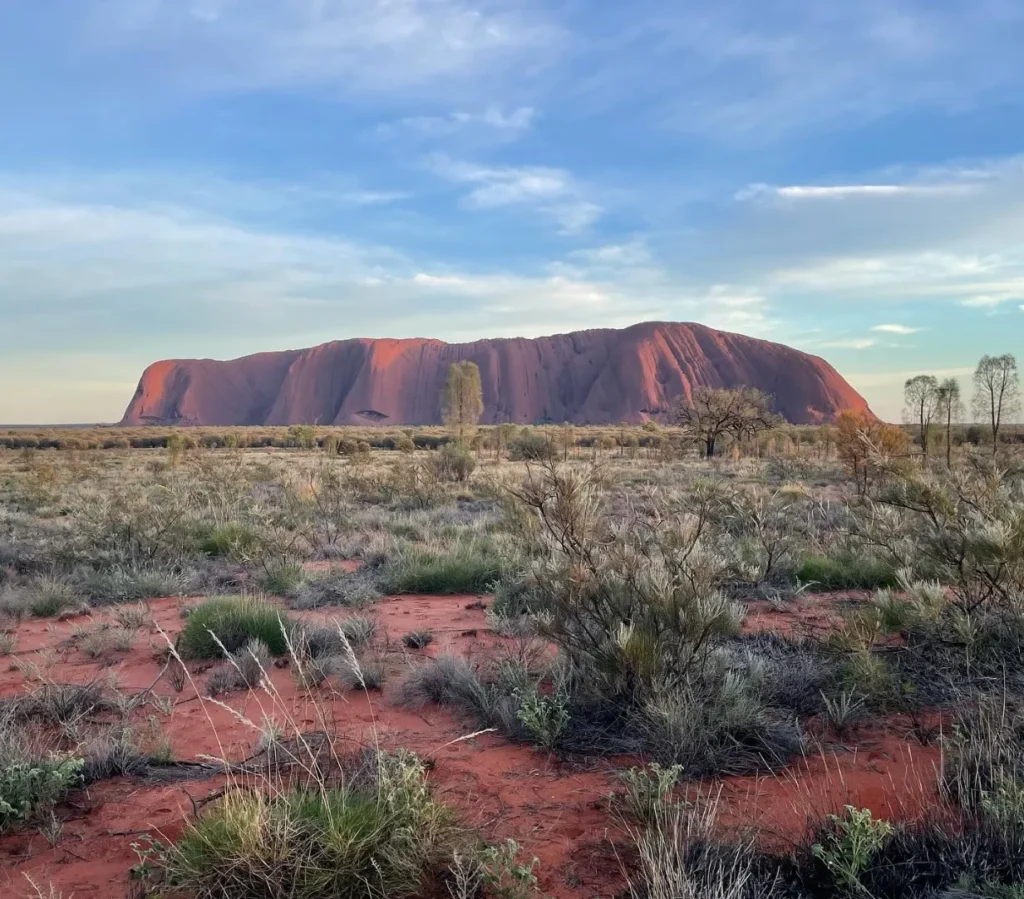
The decision on how long you should spend at Uluru is mainly dependent on how passionate you are about it and how much you want to see it in detail. To fully appreciate the natural beauty and cultural worthiness, a minimum of three days is advocated for but a longer stay may be more satisfying when one wants to know more about Aboriginal culture within the park or its intricate ecosystem.
Three-Day Itinerary:
- Day 1: Arrival and exploration of the Uluru base walk and nearby cultural centre.
- Day 2: Visit Kata Tjuta and hike the Valley of the Winds.
- Day 3: Sunrise viewing at Talinguru Nyakunytjaku and exploring additional rock formations or participating in a guided cultural Ayers Rock tour.
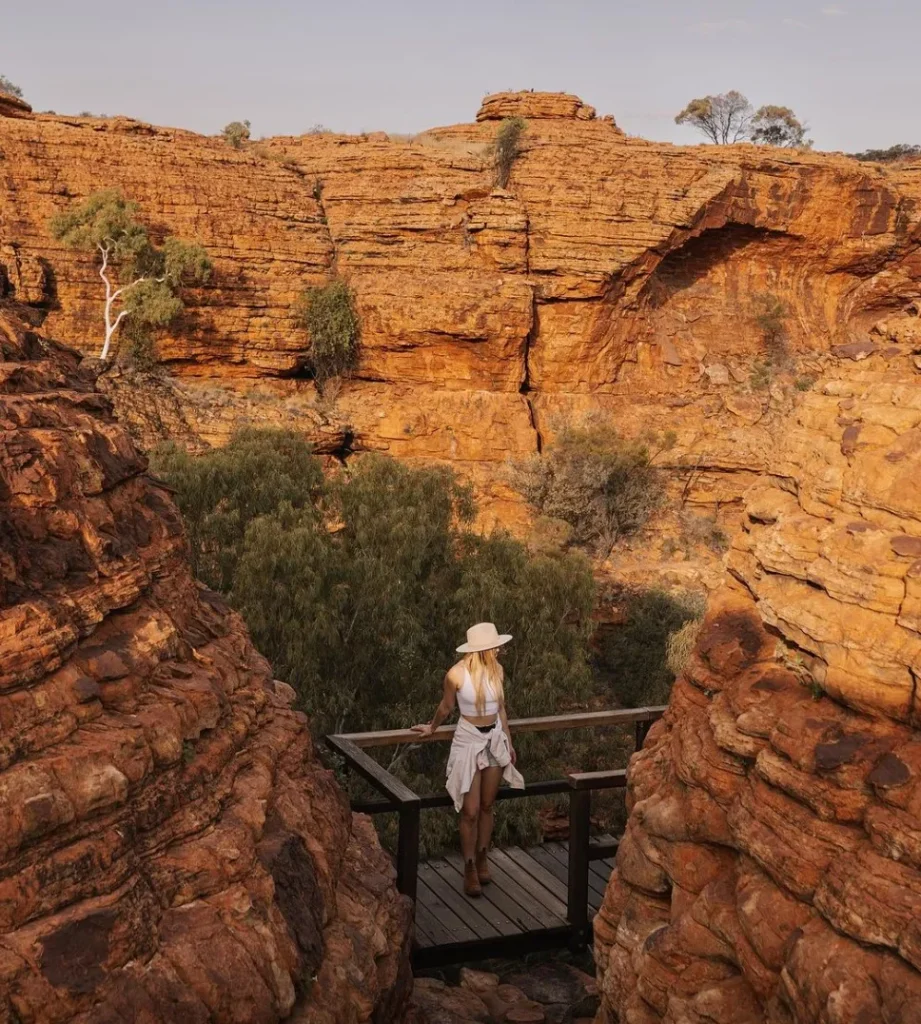
Extended Itinerary (Five Days or More): Continue exploring areas around like Curtin Springs, go further to Kings Canyon or extend your stay with several other Aboriginal-led tours/workshops that expose deeper into local customs/history.
Getting There
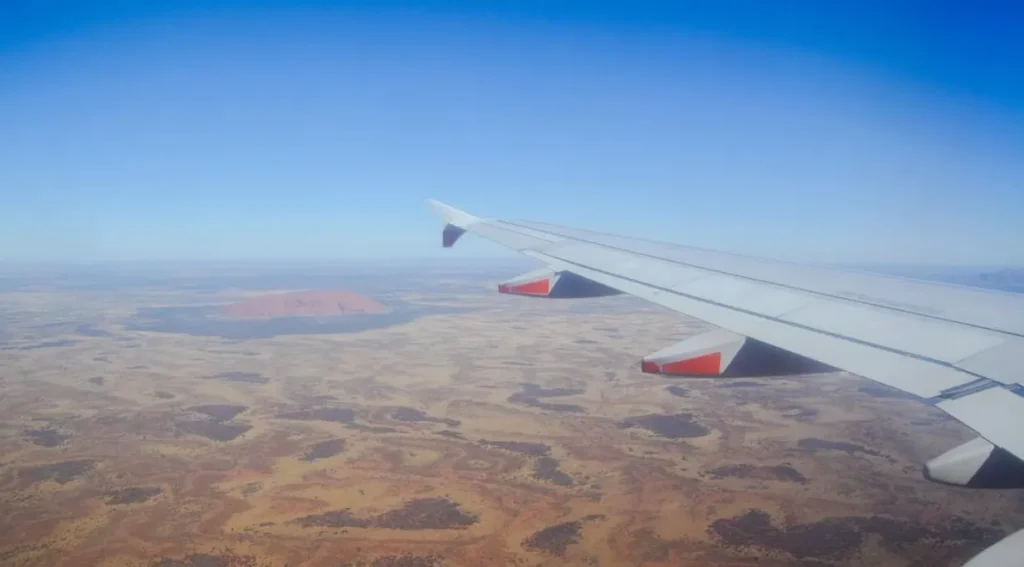
Reaching Uluru is an adventure in itself. International travellers can fly directly into Ayers Rock Airport from major Australian cities or into Alice Springs as the straightest route. From Alice Springs, it’s about a four-and-a-half-hour drive through the scenic outback, offering stunning views and the chance to feel the expansive solitude of the area.
Where You Can Stay
At Uluru, accommodation ranges from high-end hotels to camping grounds where you can pitch your own tent or park your motorhome. Ayers Rock Resort offers a variety of places to stay, including the luxurious Sails in the Desert, which exhibits beautiful indigenous art and the less expensive Outback Pioneer Hotel and Lodge.

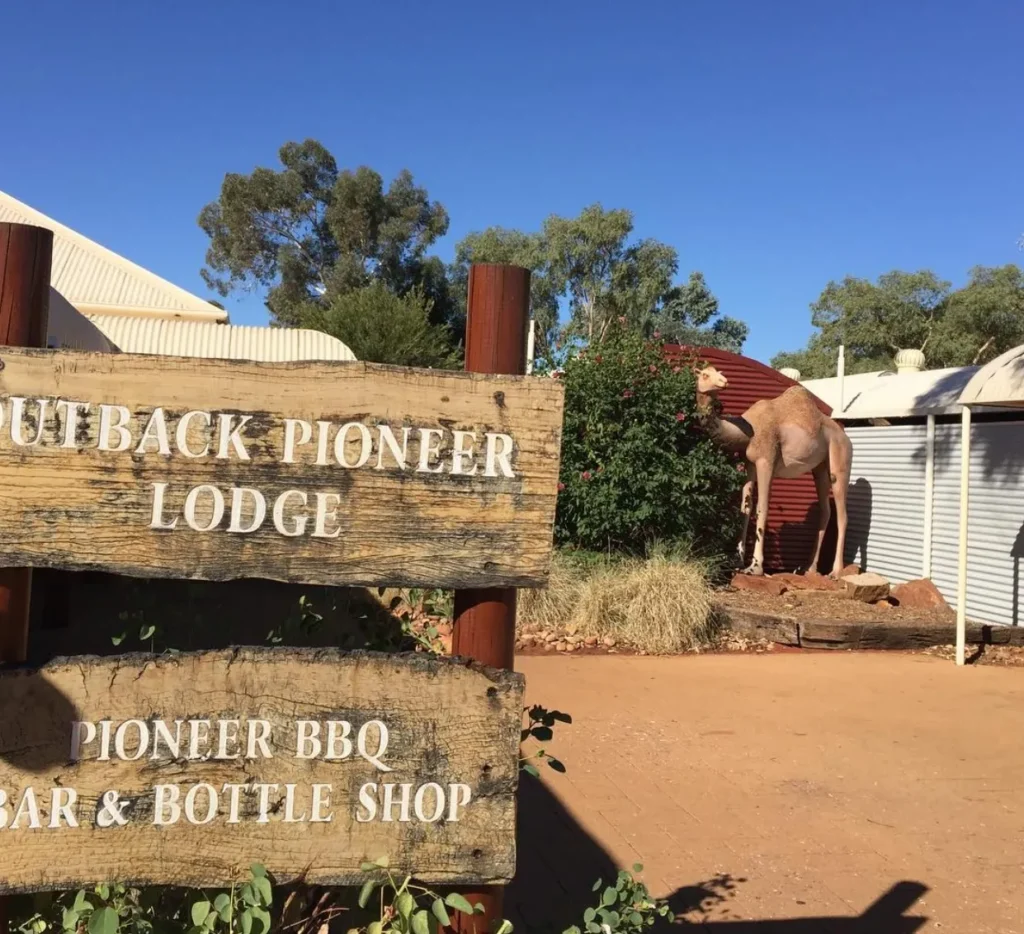
- Luxury: Aboriginal heritage is celebrated at Sails in the Desert Hotel; this hotel prides itself on comfort and style.
- Moderate: Uluru is visible from Desert Gardens Hotel’s native gardens’ plants and balcony rooms.
- Budget-friendly: Ayers Rock Campground has powered campsites for campervans or tents with communal kitchens.

Discovering Uluru-Kata Tjuta National Park
This section of the park does not only display massive rock formations but also shows their cultural tapestry. The Anangu people who are traditional landowners manage it jointly with Parks Australia as a whole. There are numerous walking trails within the park that help tourists understand ecological importance and associated rich aboriginal traditions.
In addition, there are other sacred sites visitors can take time to explore, such as Walpa Gorge, which provides insights into a range of geology and ecology issues. Also, if you like Aboriginal art, go to the cultural centre where Indigenous artists exhibit their work and give workshops about it.
Must-See Attractions And Activities In Uluru
Cultural Experiences
One cannot really visit Uluru without embracing its local Australian culture. The region features various types of Uluru tours conducted by Aboriginal guides who explain the cultural significance attached to these spots. These trips give one an opportunity to discover ancient rock arts as well as listen to stories passed on through generations about Australian landscapes.
Adventure Activities
For those who want to have more adventure when they travel alone, they may consider doing some activities around Uluru area which maximize on different terrains and vast open spaces. Witness an incredible sunrise while enjoying a camel ride, or admire the breathtaking rock formations from above during a scenic flight in the morning. There are many tough trails for hikers that combine vigorous exercise and stunning views.
Travel Tips for Solo Travelers
Solo travel to Uluru requires more organization and consciousness than group travel does. It’s important to keep yourself safe with the knowledge that you are in such a remote place, so always plan ahead of time; caution is needed in such environments. Getting connected should be prioritized since there is often limited mobile service due to the remoteness of this area; however, Ayers Rock Resort and other populated parts surrounding the national park do have Wi-Fi connections available. Make sure somebody knows where you’re going and check in with them regularly.
Hydration is another key consideration when travelling through desert. Carry more bottled water than you need especially if on long walks around Uluru or Kata Tjuta as it gets very hot here. A hydration pack would be ideal as it allows your hands to remain free for photos or balancing over uneven ground whilst drinking on the go.

As regards meals, there are many choices. You can choose to eat in the different restaurants at Ayers Rock Resort or prepare meals by yourself if you have cooking facilities where you are staying. During your explorations it is also good to carry along with you some snacks like nuts and energy bars. When on a budget, buying stuffs at a bigger town before reaching Uluru can save you money as prices tend to be higher in remote areas.
Preparing Your Vehicle
Should one decide to drive to Uluru, then making sure that this car is up for the task is very important. This journey involves long distances on remote outback roads, which might be too long for unprepared vehicles and drivers. Below are things that need to be checked before going on a road trip:
- Health of Engine: A mechanic should check the engine of your vehicle together with its fluids and filters so that they will all be properly functioning.
- Tyres: While checking tires remember about their tread depth and make sure spare is okay. If hiring a car, think about tyres suitable for outback regions.
- Emergency Supplies: Pack extra water, food, first aid kit and emergency contact numbers. Also, consider carrying either a satellite phone or an emergency beacon if travelling off main roads.
Driving through the outback means not only endurance but also admiring the vast open landscapes that define Central Australia. Plan stops along the way, rest, and observe the scenery, making the journey part of the adventure.
Safety Tips for Solo Travelers
Safety is always especially concerning when travelling alone in an area as isolated As Uluru’s surroundings expanse, which makes it even worse for solo travellers because they are never aware of what could happen next any moment they leave their campsites behind them since there is no any living soul around thereat least 10 kilometres apart from themselves that would have been watching over them just in case something went wrong thus it means people never feel free while walking alone during day time even within a distance of 10 km from their car in such place as this one here.
Know the wildlife. While dangerous animals are not very common, it is important to know how to react if you come across snakes or spiders. It is important that you always keep a safe distance away from and do not provoke any wildlife you see. Also, make certain that you have an extensive travel insurance policy that covers medical emergencies because there are few medical facilities in remote areas.
Packing Essentials for Uluru
Packing for the Uluru trip involves preparing for a range of conditions and activities. The following quick checklist will help ensure that you do not leave behind anything crucial:
- Apparel: Carry light, loose clothing for daytime and warm layers for cold desert nights.
- Footwear: It is essential to have solid boots when visiting Uluru since the terrain can be rough and uneven.
- Sun Protection: In order to protect yourself from the strong Australian sun, use sunscreen, a wide-brimmed hat and sunglasses.
- Fly Net: An alternative option may be wearing a head net if flies in the outback become unbearable.
- Camera and Binoculars: Do not forget about your camera, which will assist in capturing breathtaking landscapes, whereas binoculars enhance rock formations as well as distant viewing of wildlife.
Conclusion
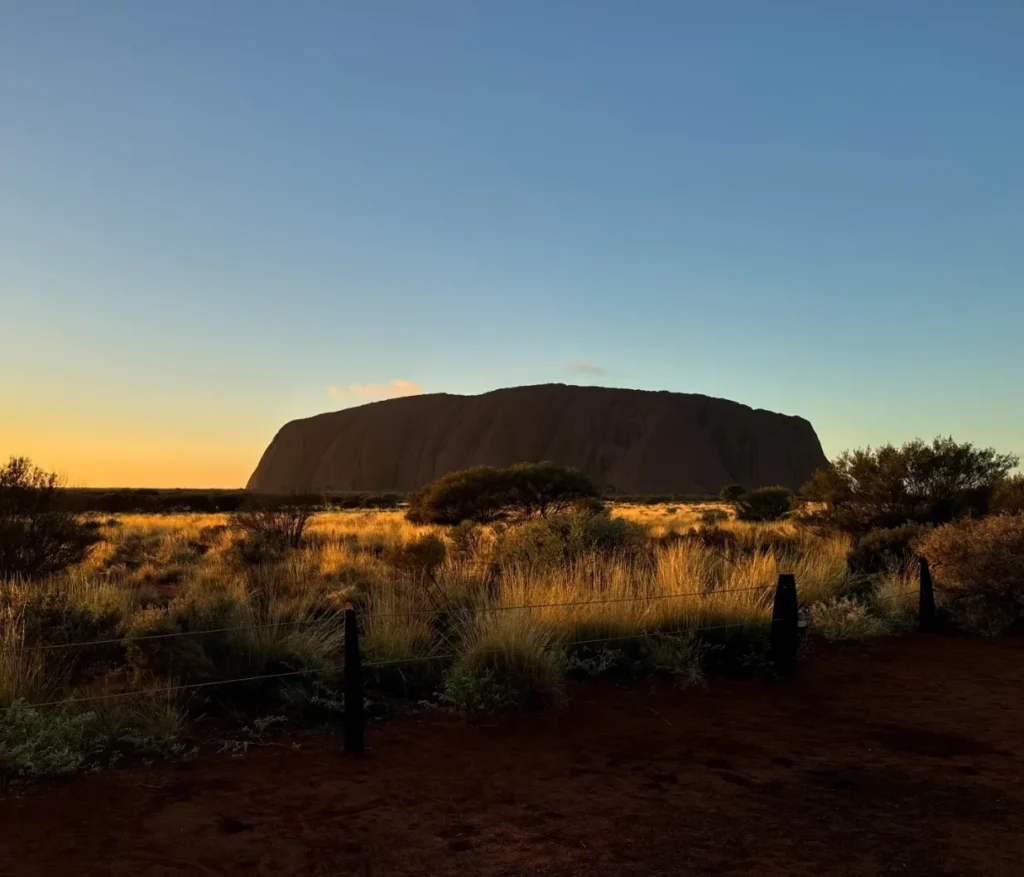
Travelling solo to Uluru is an adventure that will leave you with memories of natural beauty, cultural richness, and self-reflection. When going all alone next to the greatness of Uluru or walking around the Kata Tjuta, one feels connected to their land in a way that could only be humbling yet greatly thrilling. Thus, this journey is beyond an attractive sight; rather, it represents the very heart of Australia and the cultural importance that makes this place unique. Embrace solitude at Uluru, respect sacredness sites, and come back home full of life stories as well as lessons learnt.
FAQ
What are the cultural norms to be aware of when visiting Uluru?
Uluru must be respected when you go there. The Aboriginal people have asked tourists not to climb its summit because they consider it sacred. Pay close attention to signs and guides’ instructions, particularly when dealing with fragile spots.
Can I visit Uluru without a tour guide?
You can explore both Uluru and Kata Tjuta without any guidance whatsoever; nevertheless, taking part in guided Red Centre tours may increase your knowledge about their cultural past.
What are the emergency procedures in Uluru?
For any emergencies contact park rangers locally or dial 000 which is Australian’s emergency number. In case you find yourself lost somewhere in the outback, you should have either satellite phone or emergency beacon with you.
Are there any special permits required to visit Uluru?
Park passes are available for purchase either online or at the park entrance. With these passes, visitors can enter both Uluru and Kata Tjuta for three consecutive days.
What is the best way to meet other travellers in Uluru?
Ways such as staying at Ayers Rock Resort or engaging in group tours provide opportunities for meeting other travellers, while many single backpackers find such encounters add real value during travel times.