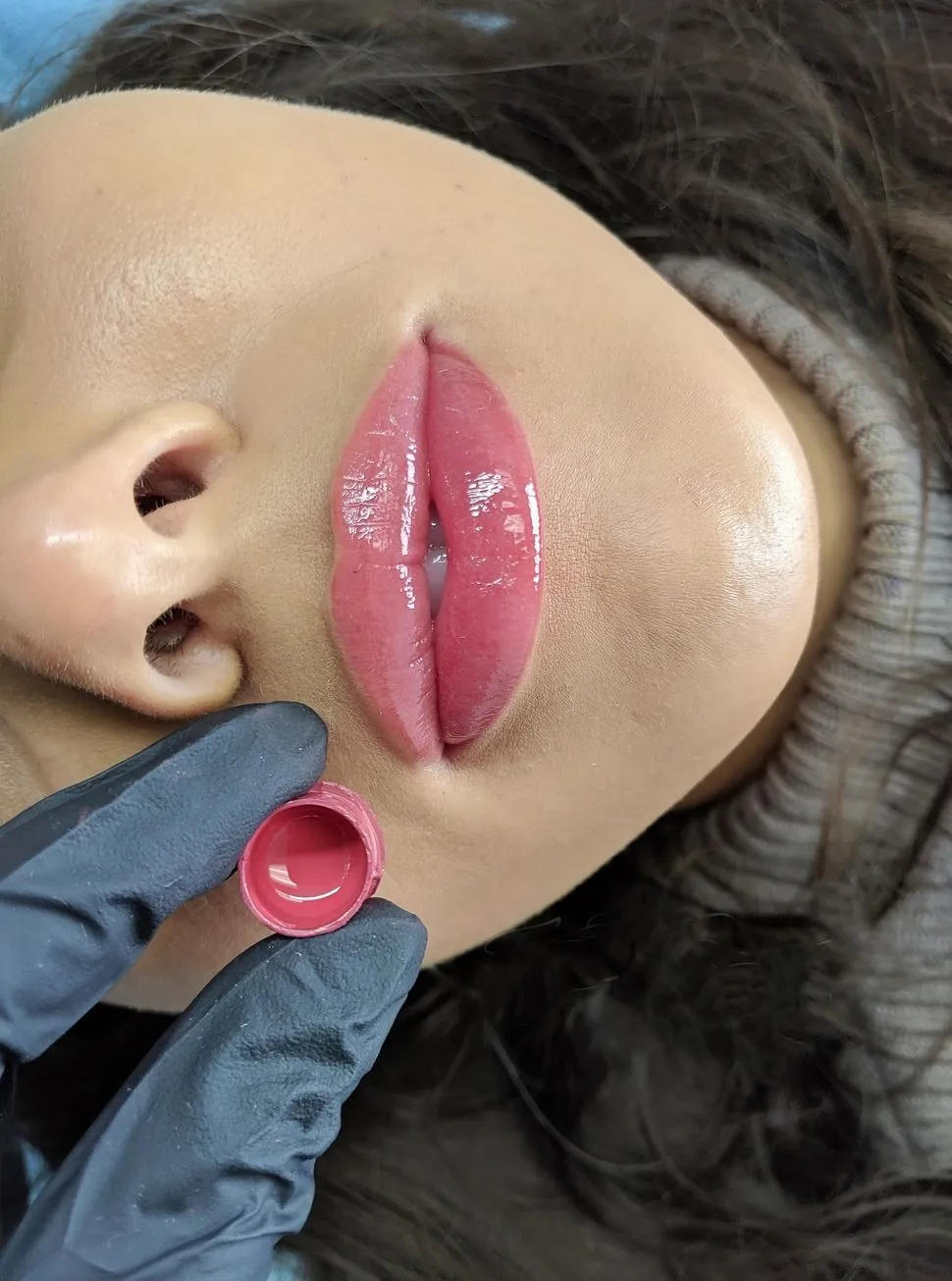
Accidentally taking ibuprofen right before a tattoo session, even if it’s for something as seemingly minor as getting your eyebrows tattooed, can potentially cause some complications, given the drug’s blood-thinning characteristics. The primary matter of this article surrounds this specific event, delving into the effects of ibuprofen, its effects on the tattooing process, and the actions one should undertake if they have accidentally consumed the drug before a session.
What is Ibuprofen?
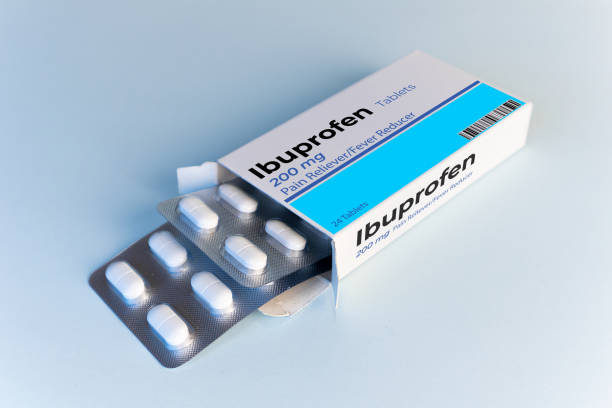
Ibuprofen is a nonsteroidal anti-inflammatory drug (NSAID) widely used to alleviate pain, reduce inflammation, and lower fever. Anyone pondering, “”can I take ibuprofen for a new tattoo pain?”” should understand its effects first. The drug is accessible over the counter and commonly used to treat a variety of conditions, ranging from minor aches and pains to chronic conditions like arthritis, menstrual cramps, headaches, and migraines.
In understanding ibuprofen and its effects, we must also look at how it functions. Essentially, it inhibits COX-1 and COX-2, the enzymes responsible for the production of prostaglandins – chemicals that promote inflammation, pain, and fever in the body.

How can Ibuprofen affect the process of getting a tattoo?
The process of tattooing, which includes puncturing the skin with a needle, can lead to some degree of blood loss. If you’re wondering, “”does ibuprofen thin blood during a tattoo procedure?”” the answer is yes. Ibuprofen’s role as a mild blood thinner might impact this by prolonging bleeding during the procedure, which can pose a challenge to the tattoo artist’s work.
In addition, it might increase the risk of bruising, swelling, and delay the healing process after getting inked. If you want to know what can I take before a tattoo to ease the pain? Let’s shed some light on it.
The Blood-Thinning Effects of Ibuprofen
| Advantages | Disadvantages |
|---|---|
| Helpful in preventing strokes and heart attacks due to blood clot formation | Can lead to prolonged or excessive bleeding |
| Reduces inflammation and pain | Increases bruising |
One of the lesser-known effects of Ibuprofen is its blood-thinning attribute. It interferes with the blood clotting ability of platelets, leading to increased bleeding time. This doesn’t usually cause a problem under regular circumstances; however, if a person is to undergo trauma, such as getting a tattoo, it might complicate the situation.
Potential Risks and Complications Linked to Blood Thinners and Tattoos
When you have ibuprofen in your system during a tattoo procedure, the effects can be more noticeable than anticipated. The blood-thinning effect of the drug might lead to continuous bleeding, making it more challenging for the tattoo artist to observe and follow their design. It could also elevate the risk of potential bruising and inflammation.
Here’s what could occur:
- Excessive bleeding can cause the ink to disperse, which would result in a blurred or faded tattoo.
- Inflammation and bruising might affect the skin’s healing process, making the final tattoo unclear.
- The risk of infection could escalate, considering that wounds open for longer durations are more vulnerable to bacteria.
The impact of ibuprofen might not be extreme, but it can affect the final outcome of your tattoo. This highlights the importance of avoidance, especially if you have a tattooing appointment scheduled soon.
This leads us to the essential question: what should you do if you’ve accidentally taken ibuprofen before your tattoo appointment?
What to Do If You Accidentally Took Ibuprofen Before Your Tattoo Appointment?
If you realize you’ve accidentally taken ibuprofen right before your tattoo session, don’t panic. The first step is to inform your tattoo artist about the situation. Since they are professionals in their field, they will provide the most appropriate advice based on their experience, which may involve proceeding with extra caution or rescheduling.
Should You Reschedule?
Determining whether to proceed with your tattoo session or reschedule it essentially comes down to your tattoo artist’s discretion. However, as a general rule:
- If you consumed ibuprofen a few hours before your appointment, your tattoo artist might choose to proceed carefully, bearing in mind that there could be more bleeding than usual.
- If you’re scheduled for extensive work that would take hours to complete, it might be worth considering rescheduling your appointment, as prolonged bleeding can interfere with the process and the outcome.
Safety Measures to Follow in Such Situations
If the artist decides to proceed with the tattoo session, there are several safety measures:
- Keep yourself hydrated. This can help maintain blood volume and decrease the chances of feeling faint during the tattoo session.
- Try to be as relaxed as possible. Stress and anxiety can accelerate your heart rate, potentially leading to increased blood flow and subsequent bleeding.

The Role of Tattoo Artist in Such Situations
The tattoo artist plays an essential part in these scenarios. They have the experience and knowledge to efficiently handle such circumstances. A responsible artist will guide you properly, be cautious during the process, take additional breaks, and ensure your safety isn’t compromised.
Importance of Honest Communication with Your Tattoo Artist
Honest communication can make a considerable difference in the outcome of your tattoo. Letting your artist know about your accidental intake of ibuprofen allows them to prepare for potential excessive bleeding, make necessary adjustments, and prevent complications. Therefore, maintain an open line of communication with your tattoo artist, informing them about any medications or supplements you are taking to avoid any potential risks.
How to Manage Pain During and After Tattoo Session Without Ibuprofen?
If you are worried about managing the pain without ibuprofen, there are alternative methods:
- Topical anesthetics: Apply a numbing cream to your skin before the appointment.
- Deep Breathing: Practice mindfulness and deep breathing exercises during your session. It can help distract you from the pain.
- Cold compress: Apply a cold compress to the tattooed area after the session to reduce pain and swelling.
The Importance of Aftercare for Tattoo Pain Relief
Proper aftercare is essential for reducing pain and enhancing the healing process of your tattoo. This may include applying unscented lotion, tattoo-specific products, avoiding sun exposure, and refraining from soaking the tattoo in water.
How to Prevent Similar Mishaps in Future?
To avoid such instances in the future, prepare for your session by refraining from consuming blood-thinning medications, including ibuprofen, before your session. Additionally, a pre-tattooing checklist would include steps like staying hydrated, eating a good meal before the session, and notifying the tattoo artist about any medication.
Overall
The key to a successful tattoo experience is preparation, honesty, and aftercare. Understanding how ibuprofen can affect your tattooing session can ensure a safer and better experience. In case of accidental ibuprofen consumption, don’t panic and consult with your artist immediately.
Frequently Asked Questions
1. Can I take Ibuprofen after getting a Tattoo?
Yes, you can take ibuprofen once your tattoo artist confirms the completion of the process and the risk of excessive bleeding is no longer a concern.
2. Can I drink alcohol before getting a Tattoo?
No, it is advised not to consume alcohol 24 hours before your tattoo session as it can thin your blood leading to excessive bleeding during the procedure.
3. What can you eat before getting a Tattoo?
You should eat a well-balanced meal before your session to maintain stable blood sugar levels. This can help reduce pain and the chances of feeling faint during the procedure.
4. Does a Tattoo removal hurt more than Tattooing?
The pain level is subjective. However, some people report that the sensation of tattoo removal is similar to that of getting a tattoo.
5. How to ensure your Tattoo heals properly?
Maintaining proper aftercare post-session can aid in the healing process. This includes keeping the tattoo clean, moisturizing the area with tattoo-specific products or unscented lotion, avoiding sun exposure, and not picking any scabs that form during the healing process.